
At the end of my Perfect Dark revisit, I mused about the difference between US/European and Japanese game design in regards to realism in the 80s and 90s. To summarize, the trend I noticed is that Western games often tried to simulate reality. Fall damage, ledge grabbing, a particular fondness for momentum, and the much hated limited ammo. Strategy games tend to be military tactics simulators. You see the stealth game born in the wonderfully archaic Castle Wolfenstein for the Apple II. It's sequel, Beyond Castle Wolfenstein, took a strange, unforgiving stealth rogue-like and added even more layers of spy-craft, like ID checks and bribery. These simulated reality, but didn't behave cohesively to advance the game design. Instead, they were fluff that interfered with the actual core game.
Meanwhile Japanese games (and maybe US arcade games)(I have this whole thought in my head right now about how US Arcade game design was almost entirely separate from console and PC game design and how early PC game design is either 14 year olds OR really old Table Top RPG guys, but I haven't done the research yet to put this into a coherent thesis) tended early on to abstract. How do we gamify reality? Ridiculous platformer physics and actiony shmups with crisp control. Many of their strategy games are less simulationist and more outright gamey and arcadey. These two different bubbles put focus on very different aspects of game design, and evolve in two different directions. They both learn from and are in constant communication with each other, but there was still a very distinct separation in philosophy. Relevant here in particular Metal Gear, which in 1987, understood what it meant to gamify stealth in a way most western devs failed to understand(Twin Snakes is SO SO funny for this very reason), even into the mid 2000s.
... But trends aren't absolute. Koei practically made nothing but hard nosed, simulationist Grand Strategy games and not every western platformer was pure Euro-Jank. Goldeneye and Perfect Dark did stealth, but they didn't get stealth. Who was the exception over here, who got it? Who figured it out over here first? Back in that piece, I theorized maybe it was time to look into Thief and well...
Yeah the answer is Thief.
Thief: The Dark Project
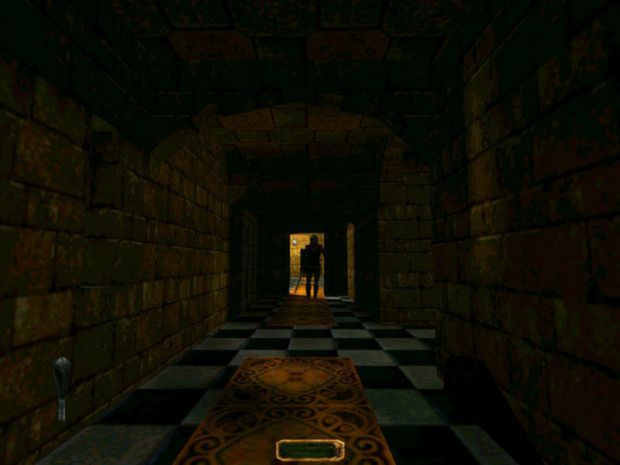
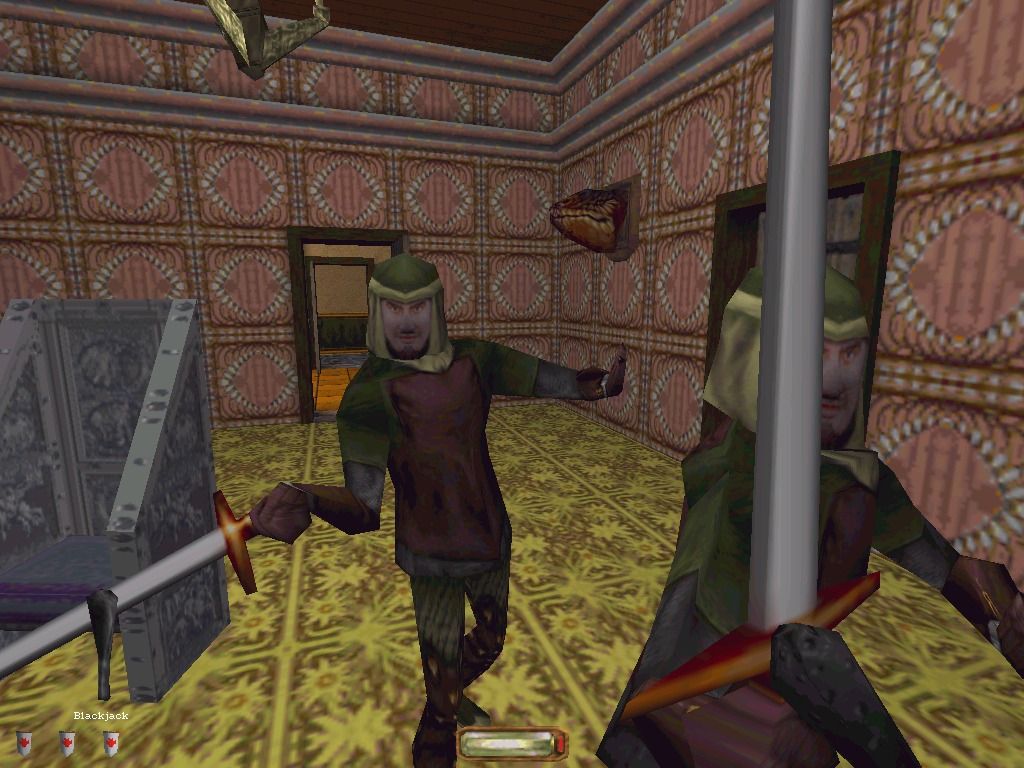
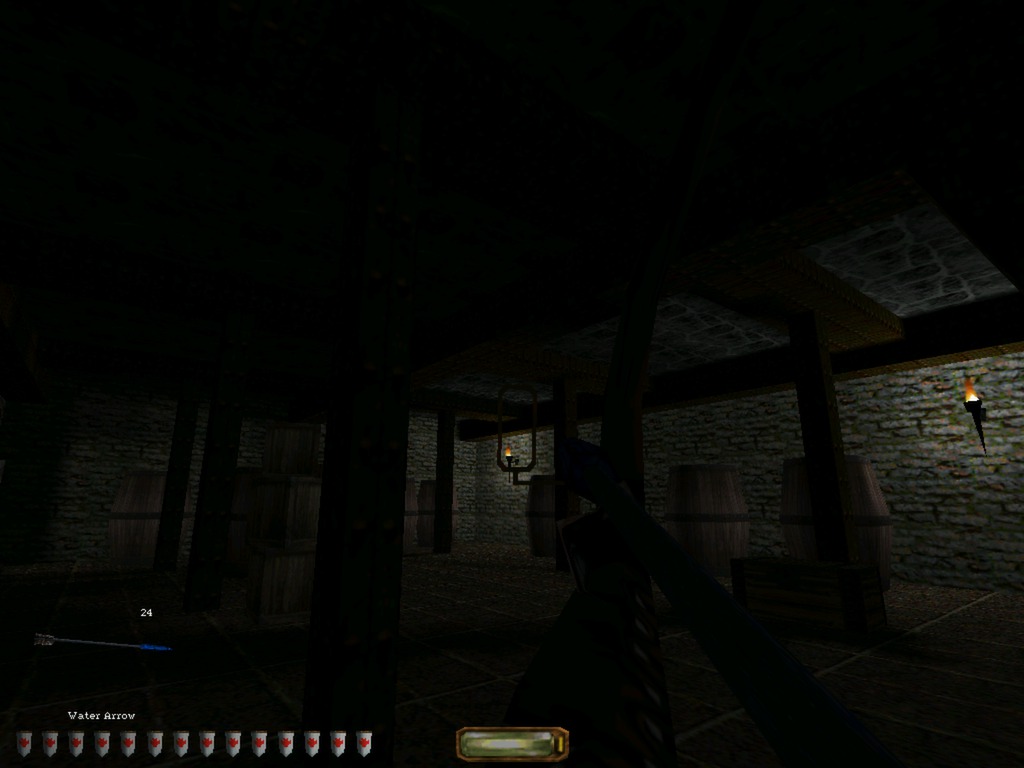
Before I finish this game design thesis, I need to talk about the most important thing about Thief.
Thief is fucking cool.
Thief is so fucking cool. Looking Glass Studios was a company of artists, writers, and musicians. 1998 is the year of Unreal. The FPS is the test bed genre of technology. Meanwhile, Thief is, technically, ugly. Its geometry is crude, and its textures repetitive. Still, all a good artist needs is light and shadow. The World has an uncanny-valley feel to it, like a strange papercraft playset. This is a strangeness the designers lean into, as the game becomes increasingly more occult and surreal. The supernatural elements of Thief were wildly criticized on release. Hell, they were criticized by me only about a week ago! But the more time the game takes for its vibes to set in, the more "flaws" become charm points.
Behind this cool exterior is the foundation of a game that gets that it is a game. Looking Glass apparently had misgivings about how much stealth the game should have, and parts of the game lean heavier on combat than fans liked, but at no point did they skip on the fundamental design of stealth.
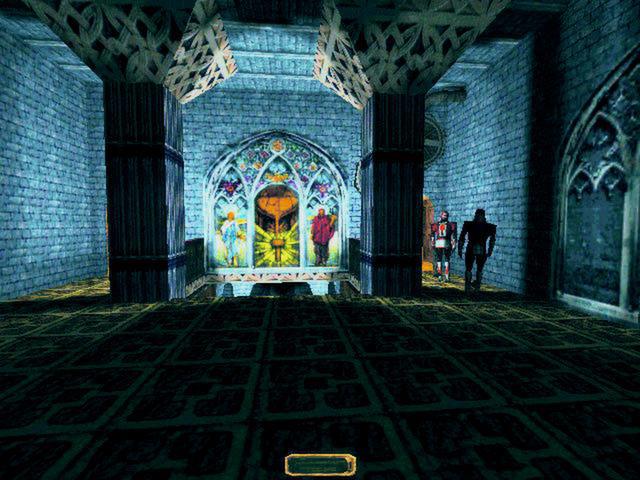 Light and Shadow
An important bedrock idea behind most good stealth games is enemies should not be smart, they should be sophisticatedly stupid. Thief comes in the style of Metal Gear Solid, where being able to lead a guard around a box for eternity with your snowy footprints isn't a design exploit, it's a feature. Shadows are absolute. When you stand in shadow, even when backlit, you are invisible, often even to touch. To make real tactical decisions, your tools have to be dependable, and your enemies predictable.
The second bedrock is generous fail-state. Thief makes it easy to fuck up and have a fun little chase without permanently alerting everyone on the mission. For stealth to be fun, it can't be all or nothing. The fail-state has to be as fun or funner than the sneaking. Guards have a hard time competing with Garrett's (the titular thief) mobility, leading to some mad scrambles to find a dark corner they can't reach. Some levels have alarms, but they are situational and small range, adding momentary pressure for a single area. Like the old Dwarf Fortress adage, losing is fun, and in a game with quick saves and loads, to convince the player to enjoy that failure, you have to make it recoverable.
The next thing that makes it clear this isn't a simulationist take on stealth is Garrett's armaments. Arrows that have water to put out torches, arrows to make noise, arrows to shoot moss so you can walk more quietly, rope arrows, fire arrows, sleeping gas arrows. Gamey arrows! You don't have to have a gamey armament, but it's a clear sign of intent. These implausible arrows are hidden around levels with a more video gamey design sensibility than the riches you're looting. Where loot is on dinner tables, and fireplace mantles, you find... fire arrows in fireplaces and water arrows in the kitchen sink, as if the 'game layer' and the 'fiction layer' of collectibles exist on different planes of existence. The fiction is gameplay can exist separately from the fiction of the world and its themes, without the two stepping on each others toes or undercutting each other.
The fiction itself doesn't rest on the illusion of the burglary simulation either. Thief gets weird. Hell, Thief starts weird. Looking Glass Studios was a studio of weird artists and musicians. The uncanny vibe of the world are paired with uncanny music. Crunchy, droning, haunted notes, building layers of tension on top of each other until you're crushed under its weight. Noise, but the type of beautiful noise only a passionate musician can make, backed up by wall-to-wall incredible sound design. Even the human guards feel unreal, stomping around like strange, shambling beasts(The fact their animations are just reused for the System Shock 2 zombies says a lot). They calling out for you like a roving monster in a childhood dream, trying to find find and pry you from your hiding spot. "Here, taffer taffer..."
 Fat, rock eating Yoshi
The cutscenes, while defined by Garret's roguish swagger, all start biblically, citing old texts in severe, prophetic lettering. You are not robbing houses in an old medieval city. This is a world, where layers of ancient civilizations, old magic, and human advancement are stacked on top of each other like geographic layers. Even the animal life is surreal. The usually qippy Garret, when seeing a burrick, the rock eating weird fat dinosaur-like creatures, says nothing. To comment on them would be to comment on a rat. As a player, you aren't ready for them, but for Garrett they're merely pests who leave behind helpful tunnels.
I was warned about the zombies. I incorrectly assumed that people hated the supernatural elements of the game. Instead, it was more a matter of balance. Zombies are annoying and sometimes the tomb raiding takes up more of the spot-light than people would like, but the supernatural is essential, baked into every facet of the game.
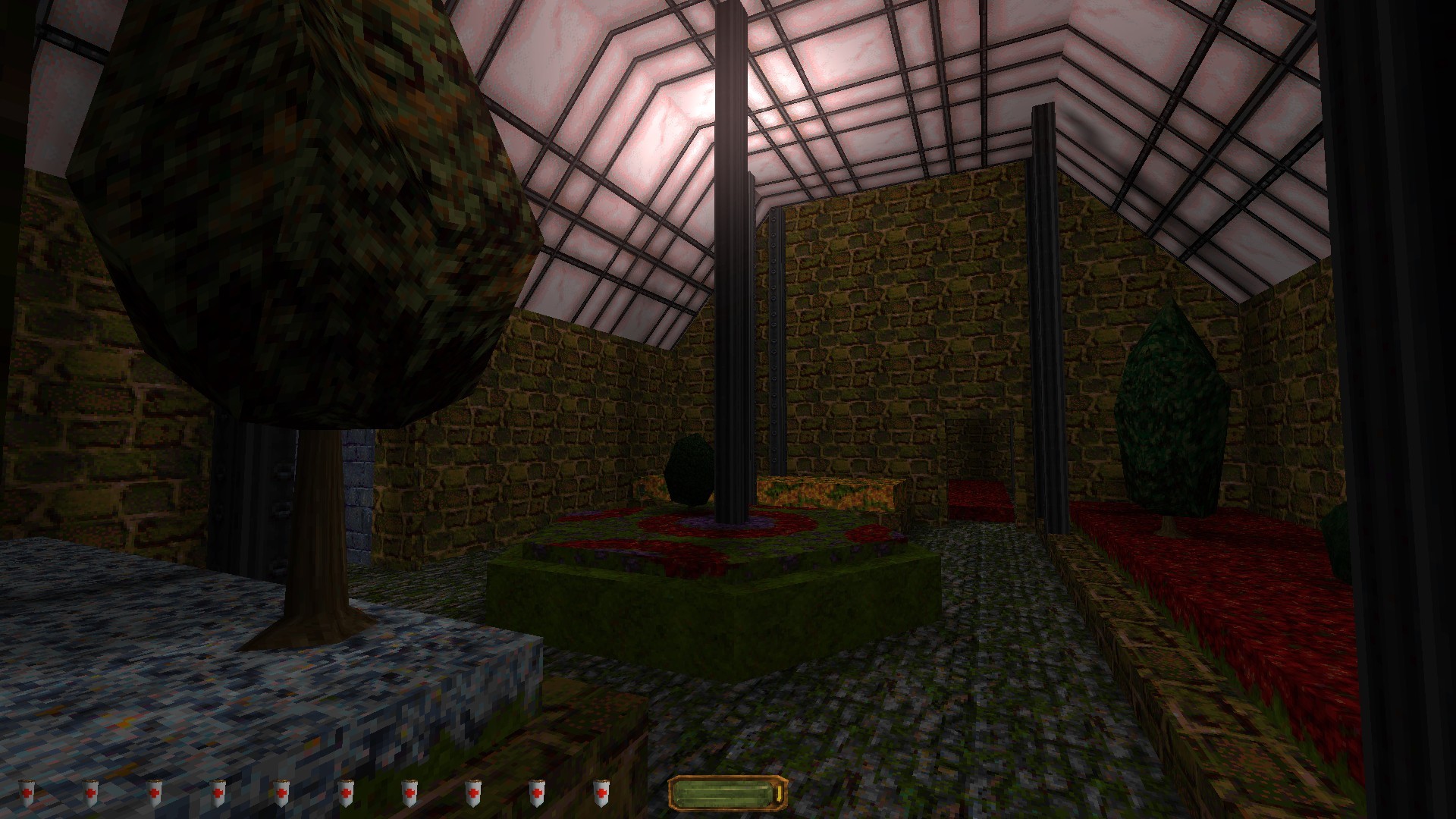
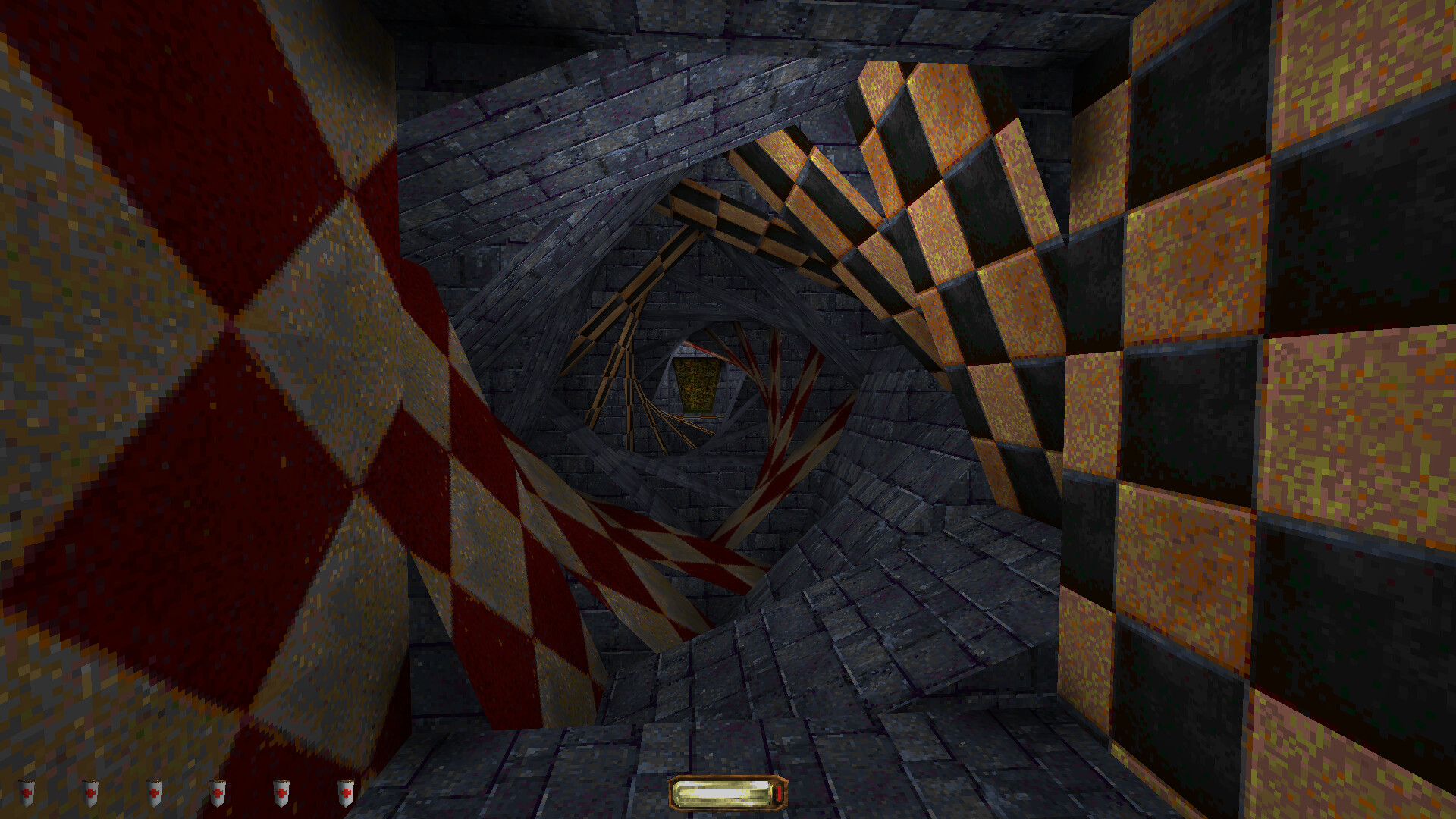
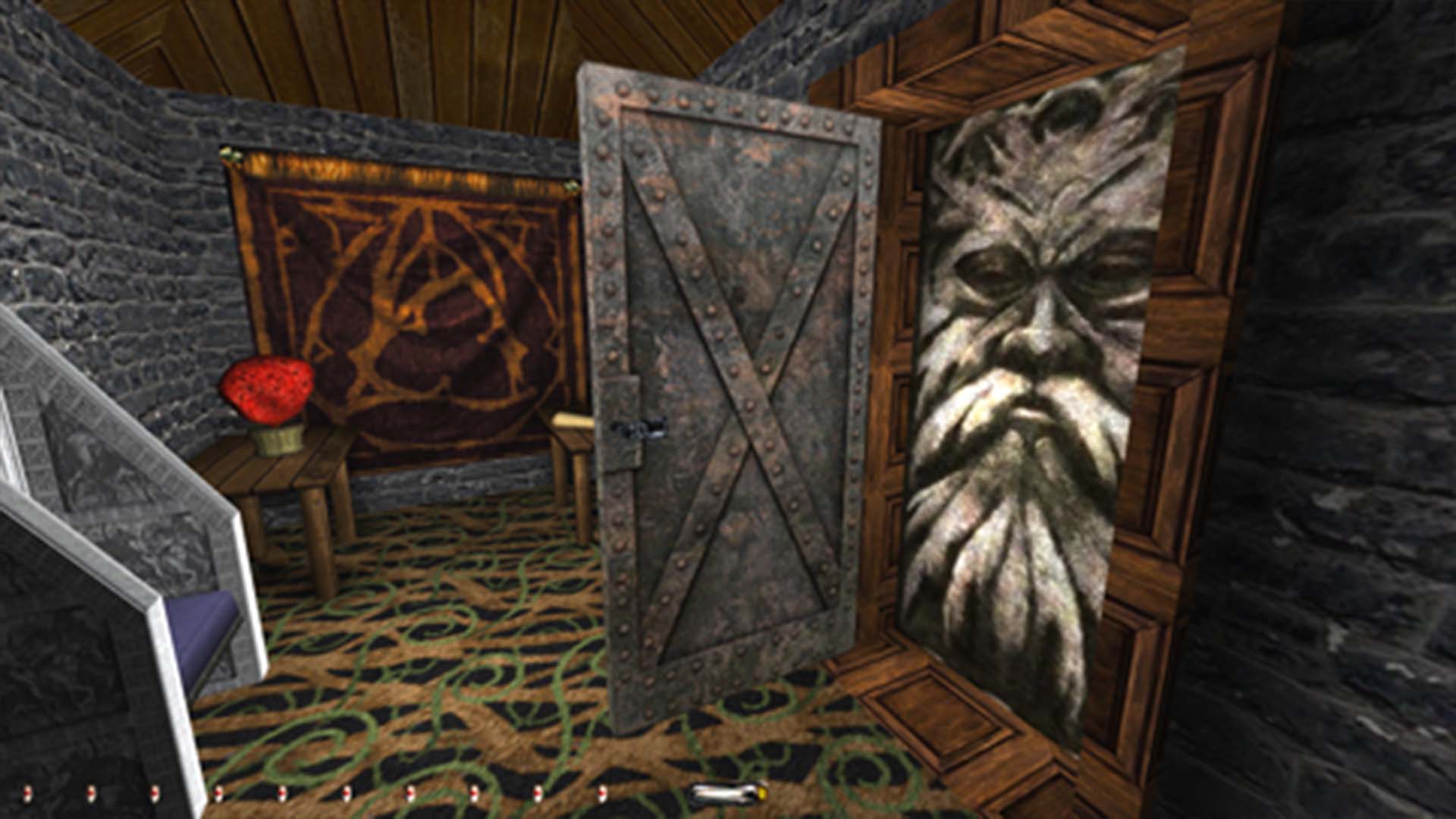
The Sword is perhaps the most beloved level from the original Thief and represents the point where the natural(As far as anything in cities of Thief feels natural) and supernatural converge. A slow burn, off-putting mission to steal a sword, where reality slowly begins to shift and warp as you advance through a strange manor. The intrinsically off-putting nature of Thief's graphics is critical here. As the textures and area design gets stranger, there is a plausible deniability. Nothing you're looking at is truly literal, so weird textures or nonsensical level geometry does not immediately set off red flags. This allows the level to slow boil you, like a frog, until you are neck deep inside a shattered reality where two different worlds are fused and you are now in the domain of The Woodsie Lord.
This mission embodies what Thief 1 actually is, not a crime simulator, but fantastical, uncanny gothic horror that leverages the anxiety of stealth and merges it the anxiety of the supernatural unknown. The game encourages you run and flee, not even necessarily out of fear, but because that is your thieving nature. As Garrett says, only amateurs need to kill. The game manages to both effectively depower you as a game protagonist, while forcing you use your cunning to succeed..
... Your cunning, and the ability to concuss 40 people and stack them into a pile.
Not everything in Thief is Gold
I played the Good Old Games version of Thief Gold, considered the Definitive Edition, using TFix/New Dark which are included with the download. This is the only reasonable way to play and is mostly fine, but some of the defaults for New Dark allow some behavior that isn't possible in the original Thief, due to a backport of Thief 2's mantling system(System feels like a generous word here). The mantling in Thief is so poor and unreliable that it's hard to imagine what the Thief 1 system felt like. You can turn this off in the config, but I was done with the game by the time I realized this was an option.
It does effect the routing of some levels though, as does Thief Gold itself. I was under the impression that Gold simply added a few levels, but several levels were modified to account for their role in the story. A level like The Lost City ends up with 2/3rds of its content becoming optional in Thief Gold between the changes and the mantling adjustments. Of the new levels themselves, The Mage Towers, for my taste, was clearly the worst of the three(Well, four. You have the secret behind-the-scenes level too). Pleasantly weird, but large, repetitive and including a lot of FPS platforming, which no one ever wants. It has its moments, and it certainly has a vibe, but is a level I would skip on replay. Song of the Caverns is a beautiful inclusion that few could take issue with. A wonderful, weird journey through the sewers to a populated opera house filled with tons of art, guards, and nobility. You even get a key from a singing homeless man who lives under the opera house, beautifully impersonating the songs he hears every night.
The contentious one is Thieves' Guild is a personal favorite of mine. A complicated and confusing mission where you break into an inn, rob a secret casino, and then travel back and forth between the mansions of two different, competing Thieves Guild bosses to rob both of them blind. The sewers that connect these buildings a labyrinth. I have pretty strong spatial reasoning, and even I got frequently lost. I imagine people less good at quickly grasping 3d spaces would be even more lost, simply guessing at every turn.
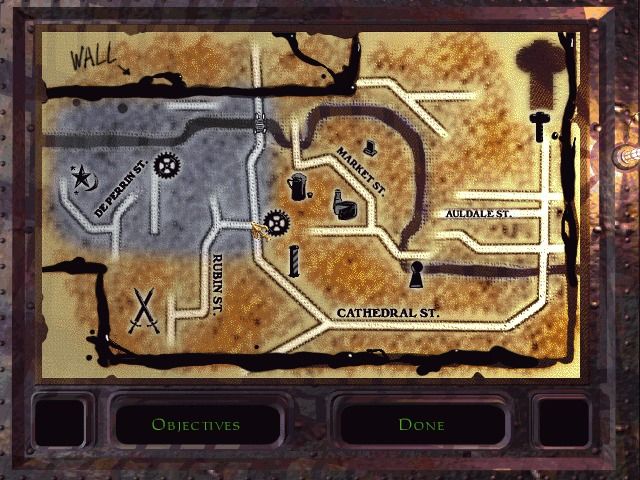
You have a map in Thief 1, but they are vague and hand drawn. You have little indication of where you are on it. You have to refer to landmarks and your compass to get your bearings. For some missions, this is wonderful and immersive. For others, like Thieves Guild, it can be a nightmare. The map system begins to fail whenever the game pushes against the edges of its ambitions. The very samey level layouts and indescript tunnels don't help either. Many buildings also have a degree of symmetry to them, obfuscating your position with samey spaces as you circle your way through them. Still, it is relieved not to be hand lead through these environments. You can believe these are maps drawn by people in the world.
The story, while cool, is both simple and convoluted. One of those things where it's a lot more straight forward than all the complications make you anticipate. You can feel oddly disconnected from the plot at times, even though it is always happening. It has the vibe of a homebrewed DnD campaign setting and plot, with all the good and bad that can come of that. When the plot comes to a head, the game falters. The last handful of missions, while they ooze with style, are a drag. Combat is not this game's strong suit and you're expected to partake in a... relatively action filled ending.
Still, there is something about a classic 90s game ending with a string of bad levels(Okay, they're not BAD, just... not great.) that just feels right and of its time. In the end, even as you kill and clobber your way through the crustacean denizens of the Maw of Chaos, the day is finally saved by what the game is about, stealth.
Thief 2: The Metal Age
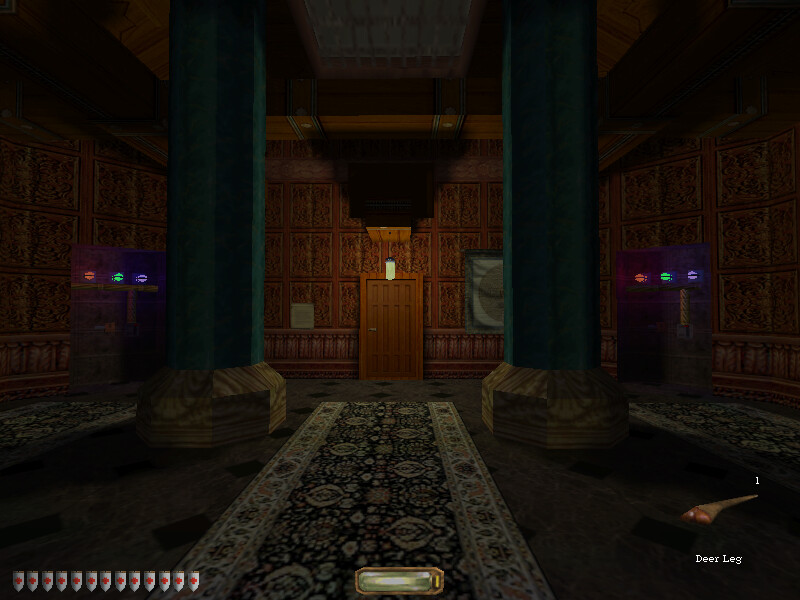
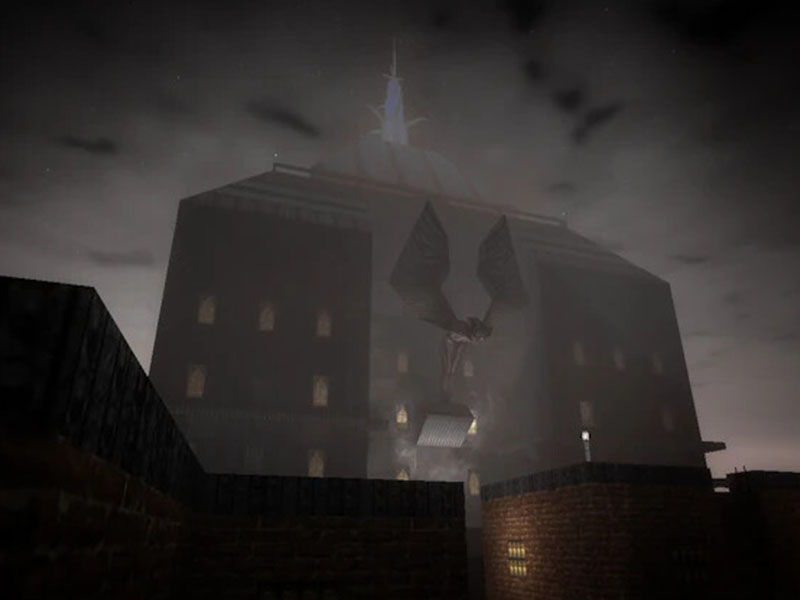
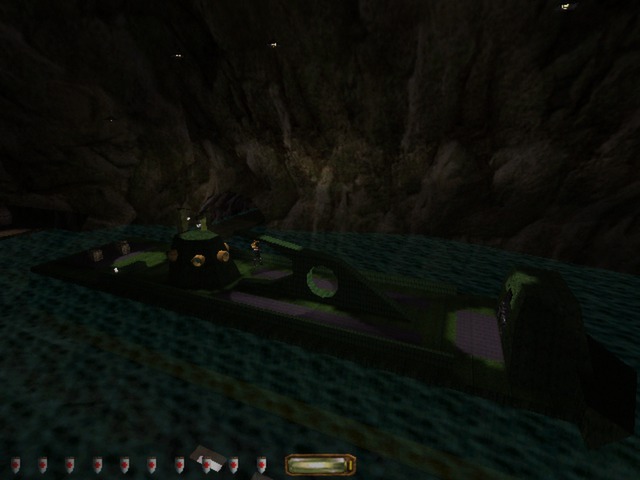
Thief 2 is a sequel that delivers on the promises of its predecessor and improves on it in every way. From level design, to story, to mechanics. To graphic fidelity and the toys it gives you. Thief 2 exceeds Thief in virtually all metrics.
Except that it's not as cool.
Thief 2 isn't an uncool game. Without its predecessor to compare against, Thief 2 would seem supremely cool. But where Thief 2 is a hard working, stable, masterfully made game, Thief simply smokes and fucks. Parts of Thief are a disaster, and it smells like a fucking ashtray, but that just make it hotter. I'm sorry, I don't make the rules.
But where Thief is the game you want to fuck, Thief 2 is the game you settle down with and marry. While it lacks the nebulous vibes, it has a through line of quality that its predecessor cannot compete with. Looking Glass Studio comes to Thief 2, armed with a thousand lessons learned and much much more skill with their level editor.
Level design, both visually and gameplay wise, is the first obvious step up. In fact, these two things are connected. The more detailed rooms of Thief 2 have an identity. The rooms and buildings feel more personal and lived in. All the nice trim and details not only make the game look nicer, it gives ways for areas to be differentiated from one another. Levels were also designed as places before hand, only to have the mission and layout put on top of them later. This isn't necessarily the correct or superior approach, but it leads to spaces that are more open ended. You can approach things in a more naturalistic way.
The map is improved. It comes close to the line of 'too much fidelity', but they vary it up from mission to mission. Complicated levels can have quite detailed maps and location tracking, while some maps only inform you what floor of a building you're on. Each is selected and used in a way to fit the theme, vibes, and gameplay needs of a given mission. They easily could have over corrected, ending up with a perfect automap, but they held back.
If there is an over-correction Thief 2 focuses much more on actual thievery. Thief 2 minimizes the mysticism and tomb raiding for a more grounded story. The story is still weird, involving the forceful conversion of the poor and unwanted into mechanical automatons, but it has more of the vibe of a steampunk story and steampunk has never been cool. Fortunately, as far as gameplay goes, dealing with a homeless person whose been transformed into an ED-209 is a lot more interesting than killing a zombie. It's for the better. You cannot recreate the moment of the world going crazy that you get in The Sword. With it's nicer level design, it lacks the necessary unreality. Even things, like the diversity of guards (both in appearance and now gender), make the world feel more stable and less insane. So Thief 2 doesn't even try to recapture that glory. Instead what it does is focus on fundamentals. Surprise comes from the amount of fidelity and complication they manage to squeeze out the Dark engine.
Thief 2 levels tend to be designed around more involved gameplay themes than it's predecessor. Clearing an escape route for a loving couple, using a building security system to break into storage containers, breaking into a police station where you're not allowed to knock people out, tracking and kidnapping a possible informant... The game is just constantly finding new ways for you to play within the mechanics its already established. It's not always perfect. Some missions become so sprawling that finding what you're supposed to do becomes tough. Puzzles become confusing because the distance between the puzzle and the solution can be spatially huge! Sometimes you might not even be sure you've found the location of a puzzle. Often you will be combing ever part of a level for a key or other macguffin you need to proceed. While this could happen in Thief 1, it felt like an increasingly common occurrence in 2.
The story functions with a clarity Thief 1 lacked. Where Thief 1's factions seemed to mostly exist as texture, here they are used to create an intricate plot of warring needs. The factions use each other to gain advantages over the other. You can argue this happens in Thief 1, but here there is a sophistication. Also there are honest to god characters! The Mechanist, Father Karras, speaking with charisma and grand authority despite his speech impediment, is a more memorable, understandable, and personal foe than the Woodsie Lord. Thief 1 focuses more on isolating you. Its horror based story has a plot that is happening at you. In Thief 2, you are connected ot the world. You are truly a part of the plot. While it doesn't reach the same level of vibes (nor is the music quite as delightfully toxic to your ears) as Thief 1, the trade off is that the story stays strong the whole way through.
Life of the Party and Casing the Joint
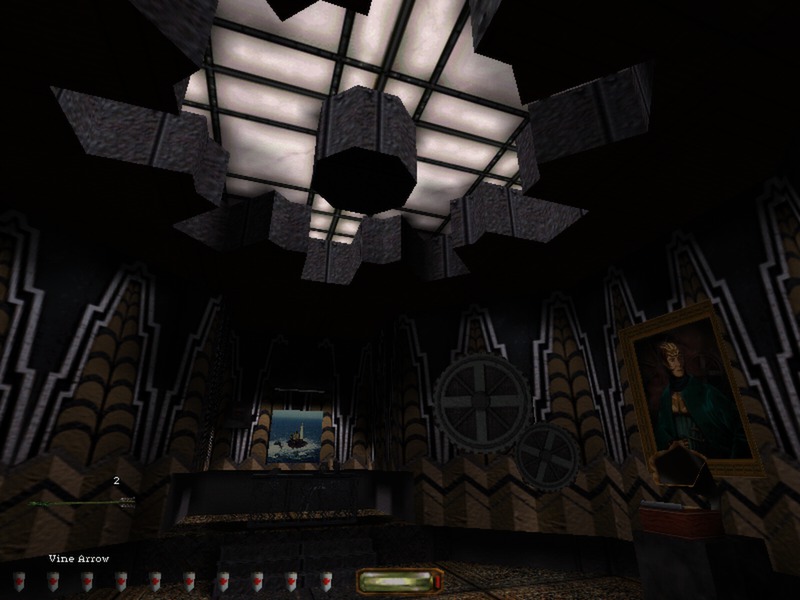
The two most interesting missions in Thief 2 to talk about is what are widely considered the game's best and worst. Life of the Party feels like an impossible feat for the engine, where you transverse over what feels like miles of rooftops, pillaging manors and even a necromancer's tower on the way to a giant, art-deco skyscraper. Once you break in, the mission continues, where you comb through the building, slowly working your way to the top to finally reach your goal. It is massive, sprawling and complicated, like a mini-metroidvania or micro-open-world game. The aesthetic isn't my taste, especially in modern times (I never want to see a giant cog as a design element ever again), but it is done so well and so impressively that I can't think anything but positive things. The fact this is all done with no load screens or obvious transitions really sells this as a tangible space. Guards you can't even interact with roam and patrol the streets below you. Sometimes they even see you, even though they can't reach you.
Life of the Party feels like it's delivering a kind of open-ended thieving experience that Thieves Guild promised but struggled to deliver.
Casing the Joint, while largely reviled, is not my least favorite Thief 2 mission(Tracing the Courier and Precious Cargo are both lower for me, mostly for being boring). While it's still miserable, it aspires to do something interesting that is both thematically is appropriate and informative of Thief 2 actual strengths. Casing the Joint is the setup to a later mission that uses the same map. You explore the mansion to map it out and unlock some secret passages for when you return later. It tries to capture the pre-work and setup that is just as much a part of thievery as the thieving itself. The big conceit of the mission is you cannot be spotted, else they'll know you're coming tomorrow.
This decision sucks. By doing this, the game betrays the previously mentioned "second bedrock"... a generous fail-state. Here, being caught isn't fun. The mission just ends. You don't have the tools and equipment for "no-touch gameplay". Instead you wait, and save, and reload, and hope you don't quicksave right when a guard rounds the corner. Meanwhile during this you have to solve an insulting simple puzzle that disguises itself as something far more complicated. In the game's ambition to play with all the rules, you find here the limit, where the genre of Stealth finally falls apart. It's still not a bad mission. My least favorite missions in this game are still pretty good. It doesn't feel good, but you can save scum through it. It feels like a necessary experiment. You'll never know the melting point of your wings if you don't try to fly at the sun.
Wrapping Up
Thief 2 doesn't end on a series of down notes like Thief 1. Instead you end the game on an overly complicated but delightfully open ended final mission involving a full fledged crafting system, where you can make gear in world using factory machines scattered across the map, all while Father Karras lectures at you in increasingly desperate and crazed ways. By the time I was finished I was exhausted, but also deeply satisfied. Pulling off an overly ambitious set piece like that is impressive, and while it's not as polished and beautiful as Life of the Party, it still acts as a great capstone.
Thief 2 never got a Thief 2 Gold. Looking Glass ran out of money before the profits from this game could come in. Their talent would spread across the industry and you would see its DNA spread to everything from Deus Ex, to Rockband. Ex-Looking Glass staff even ended up working on one of my favorite bad games, Trespasser. From here, I don't know where to go next. System Shock 2 has always eluded me, but Ultima Underworld: The Stygian Abyss might feed my lust for King's Field-likes. It seems like a likely inspiration.
Though perhaps I should continue my game of Fuck, Marry, Kill and play Thief 3